
Battery Terminals: How to Clean, Connect, and Replace Them

Battery terminal problems such as corrosion, wrong connection order, or worn-out posts, are among the most common causes of electrical gremlins in car audio and daily-driver builds. This guide covers everything: which terminal to connect first, how to clean corrosion, and when to replace terminals entirely.

Shop XS Power Terminals

Which Battery Terminal Do You Connect First?

When Connecting (Installing) a Battery

Connect the positive (+) terminal first, then the negative (−).

  • Connecting positive first prevents accidental short circuits — if the wrench touches chassis metal while connecting negative, no current flows.
  • Tighten to snug — don't overtighten brass posts.

When Disconnecting (Removing) a Battery

Disconnect the negative (−) terminal first, then the positive.

  • Removing negative first isolates the battery from the chassis ground before you touch the positive cable.
  • This eliminates any risk of sparking or short-circuit during removal.

Memory shortcut: PNPNPositive first when iN (connecting in), Negative first when out (removing).

How to Clean Corroded Battery Terminals

What You'll Need

  • Baking soda + water (or purpose-made battery cleaner)
  • Stiff-bristle brush or old toothbrush
  • Clean rag or paper towels
  • Protective gloves
  • Battery terminal cleaner spray (optional)

Step-by-Step Instructions

  1. Disconnect the battery — negative terminal first (see above).
  2. Inspect the corrosion — white/blue-gray powder is normal sulfate buildup; greenish residue may indicate a compromised terminal.
  3. Apply baking soda solution — mix 1 tablespoon baking soda in 1 cup water and pour over the corroded area. It will fizz — that's the acid neutralizing.
  4. Scrub with a brush — work around the post and clamp until the buildup breaks loose.
  5. Rinse with clean water — remove all residue.
  6. Dry thoroughly before reconnecting.
  7. Reconnect — positive terminal first.
  8. Optional: Apply dielectric grease or anti-corrosion felt pads to slow future buildup.

What Causes Battery Terminal Corrosion?

Battery terminal corrosion is caused by hydrogen gas escaping from the battery during normal charging and reacting with the copper or lead in the terminals. Overcharging, weak alternator output, and loose terminal connections all accelerate the buildup. Sealed <a href="/pages/agm-battery">XS Power AGM batteries</a> vent dramatically less gas than flooded batteries, which is why AGM-equipped vehicles see far slower terminal corrosion.

Signs You Need to Replace Battery Terminals

  • Terminal clamp is cracked, broken, or stripped
  • Post is corroded past the surface (pitting in the metal)
  • Terminal won't tighten securely
  • You're upgrading to a higher-output battery and need brass hardware

XS Power Terminal Hardware Options

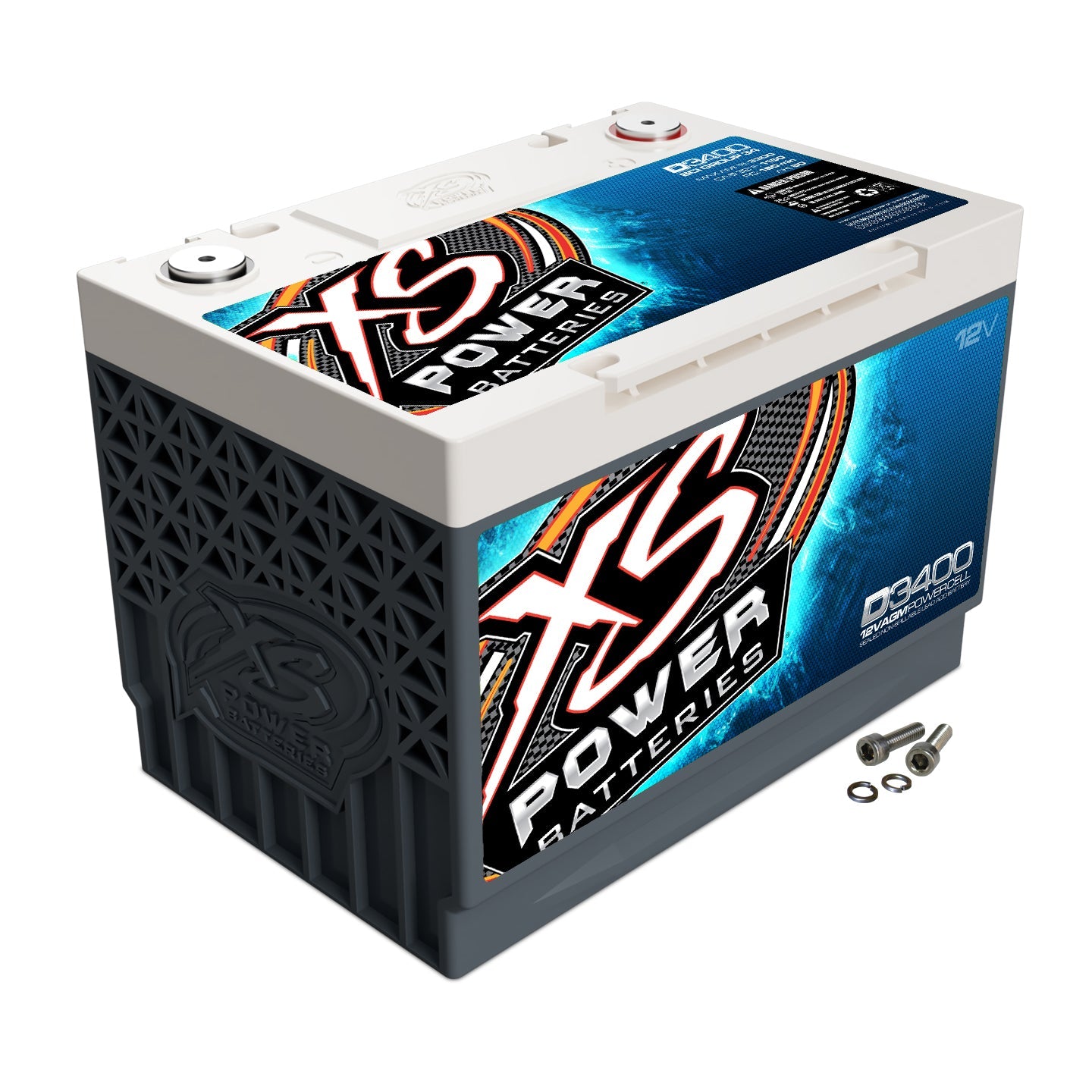
Every XS Power D-series battery ships with M6 terminal hardware included. For custom or upgraded terminal setups, XS Power offers:

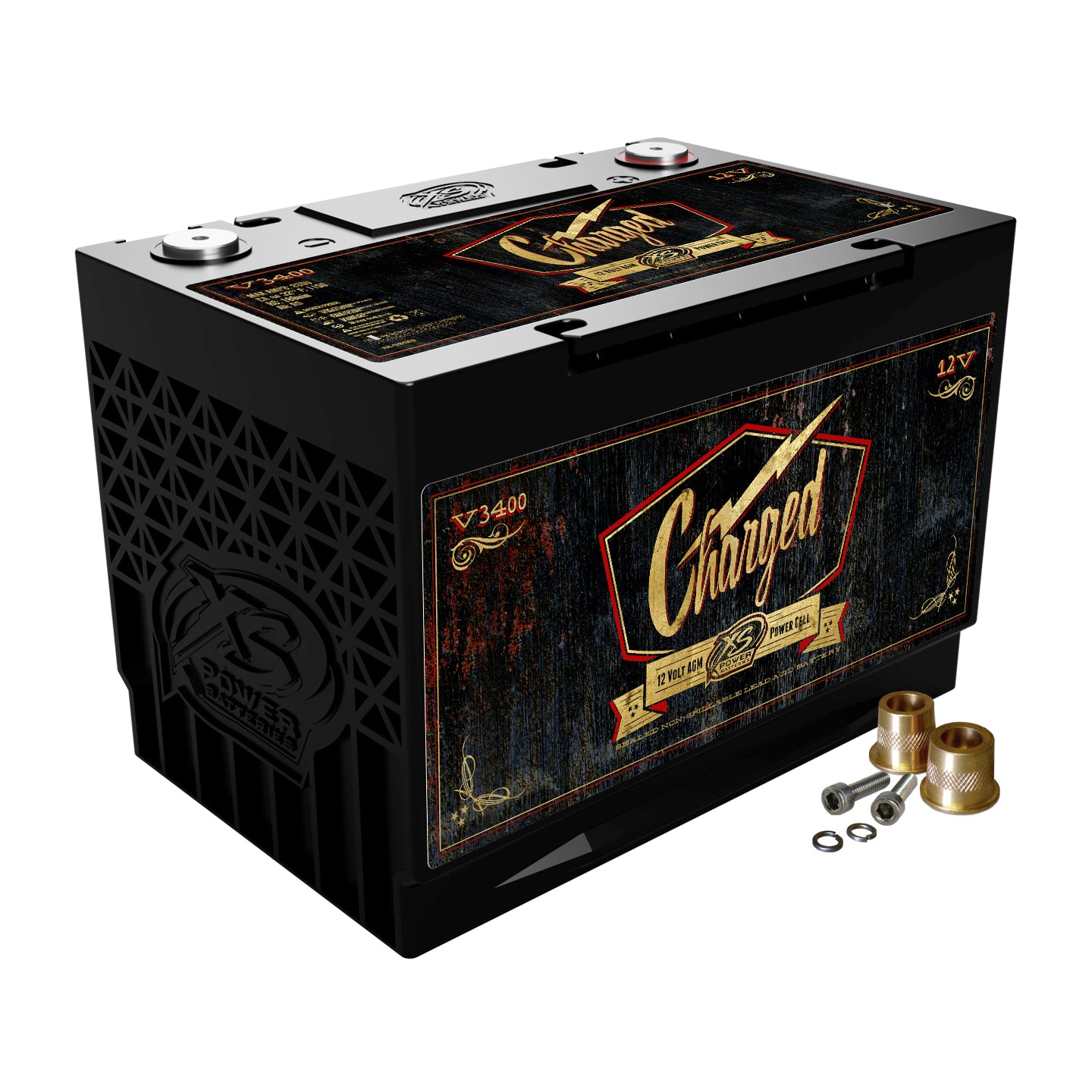
  • Brass posts580 and 586 premium brass post adaptors for Group 34/35/48 batteries.
  • Side terminal adaptors551, 553556 convert post positions for OEM side-mount vehicles.
  • Terminal blocksTB-604, TB-606, TB-704 multi-run distribution blocks for car audio amplifier builds.

Types of Battery Terminals

Top Post vs Side Post Battery Terminals

Top-post terminals sit on top of the battery as round lead posts and are by far the most common type — found on most cars, trucks, and motorcycles. Side-post terminals are integrated into the battery's side wall with threaded bolt holes — used primarily on GM vehicles and some trucks. All XS Power D-series AGM batteries are top-post with M6 stud threads. Side-mount adaptor kits (510, 511, 514) convert any XS Power battery to fit GM side-post applications.

AGM Battery Terminal Hardware

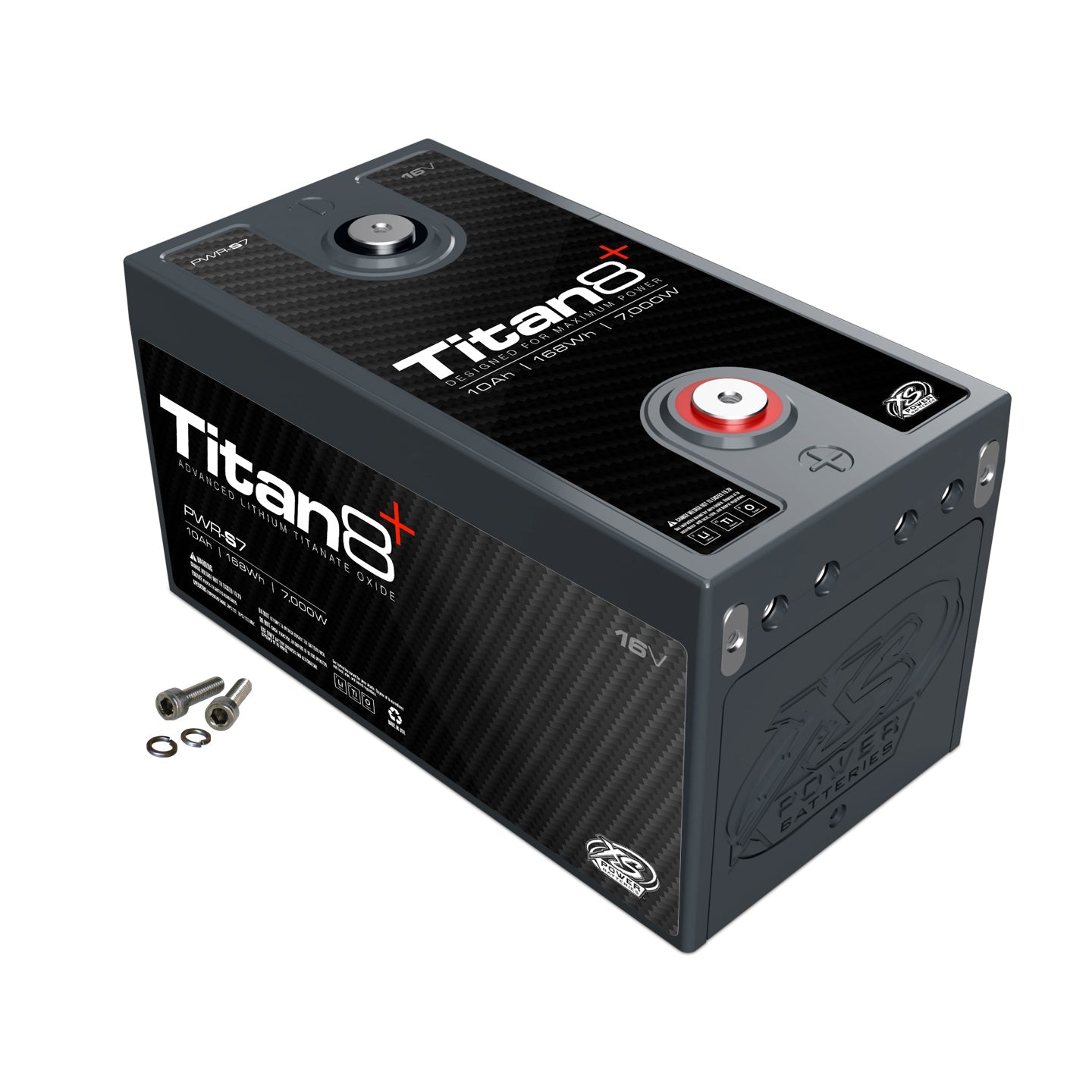
XS Power AGM batteries use M6 threaded posts — significantly stronger and more vibration-resistant than the soft lead clamps on factory batteries. M6 hardware is included in the box with every D-series and S-series AGM battery, so most installations require no extra parts.

Quick Facts

Which battery terminal do you connect first?

Always connect the positive (+) terminal first, then the negative (−). This prevents accidental short circuits if the wrench contacts the chassis while connecting. When disconnecting, reverse the order: remove the negative terminal first, then the positive.

Which battery terminal to disconnect first?

Always disconnect the negative (−) terminal first. Removing the negative cable first isolates the battery from the vehicle's chassis ground, eliminating any risk of sparks or short circuits when you then remove the positive terminal.

How do you clean corroded battery terminals?

Disconnect the battery (negative first), mix 1 tablespoon of baking soda in 1 cup of water and pour it over the corroded terminals, scrub with a stiff brush until the buildup dissolves, rinse with clean water, dry thoroughly, then reconnect (positive first). Apply dielectric grease afterward to slow future corrosion.

What causes battery terminal corrosion?

Battery terminal corrosion is caused by hydrogen gas escaping from the battery during charging and reacting with the metal terminals. Overcharging, a weak alternator, and loose terminal connections all accelerate corrosion. Sealed AGM batteries like XS Power D-series batteries vent significantly less gas than flooded batteries, resulting in slower terminal corrosion buildup.

How do I clean corroded battery terminals without removing them?

While it is safer to disconnect the battery before cleaning, you can spray a purpose-made battery terminal cleaner directly onto the terminals and scrub with a brush while they remain connected. Avoid letting the cleaning solution drip onto other electrical components. Disconnecting first is always the recommended approach for safety.

When should I replace battery terminals?

Replace battery terminals when the clamp is cracked or stripped and won't hold a tight connection, when the post is pitted with deep corrosion past the surface, or when upgrading to a higher-output battery that requires larger terminal hardware. XS Power offers brass post adaptors and side-terminal conversion kits for all D-series AGM batteries.